 What is Influencer Marketing ?
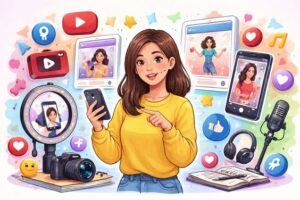
Basically ,In todays world Traditional marketing is not enough to capture consumer attention so, people of todays generation choose influencer marketing to promote their product and service .
This shift has given rise to the new creator ,influencer to come out and show their talent by promoting the product of a brand . It’s not just a trend it is a strategy that drives result . It connect people with brand through digitally
- why it is important in today’s era ?
It is important in today’s era because the most of the people convert traditional market into the digital marketing .
To increase the sales of brand the brand should choose the path of the influencer marketing .
Most of the people prefer the online shopping so it highly increased the sale of the brand .
The most of the people in today’s generation use social media platform Like; Instagram , Facebook, Twitter ,Linkedin and snapchat . so by showing product in these platform can lead to increase the sale
what is the future of Influncer marketing ?
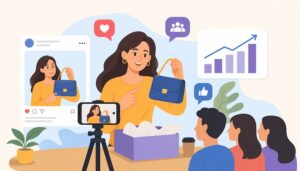 There were great future because continuous evolving of social media influencer marketing is even more important and even it is making a kind of trust , transparency,and personal recommodation of consumer in relation of that brand.
trends such as AI-powered influencer analytics, live shopping, video-first content, and niche creator partnerships will further transform how businesses connect with their audience
.Benefits of Influencer Marketing
. Enhanced brand visibility
.Increased customer trust
.Better audience engagement
.Higher website traffic
.Improved lead generation
.Increased sales and revenue
.Stronger social media presence
.Cost-effective marketing compared to traditional advertising
Why It Matters in Today’s Era
The Shift to Digital: Consumers are moving away from traditional media (like TV and print) and spending a massive portion of their day on social platforms like Instagram, TikTok, YouTube, LinkedIn, and Snapchat.
The Trust Deficit: Traditional ads are frequently blocked, skipped, or simply ignored. Modern audiences—especially Gen Z and Millennials—crave authenticity. They are far more likely to buy a product recommended by a creator they follow and trust than one featured in a corporate banner ad.
E-Commerce Integration: With the rise of “social commerce” (shopping directly within apps), the path from seeing an influencer’s post to making a purchase is shorter and more seamless than ever.
The Future of Influencer Marketing
The landscape is continuously evolving, shifting away from superficial “vanity metrics” (like follower counts) toward deeper, data-driven relationships.
Micro and Nano-Influencers: Brands are increasingly partnering with smaller creators (1,000 to 50,000 followers). While their reach is smaller, their engagement rates and community trust are often significantly higher.
AI-Powered Analytics: AI tools are being used to vet influencers, predict campaign performance, track real-time ROI, and ensure brand safety.
Live Shopping & Video-First Content: Interactive live-stream shopping and short-form video (TikTok, Reels, Shorts) will continue to dominate how products are showcased and sold.
Long-Term Partnerships: Moving away from one-off sponsored posts toward long-term brand ambassadorships, which feel more genuine to the audience.
Types of Influencers
- Nano Influencers (1K–10K Followers)
.Highly engaged audience
.Affordable collaborations
.Excellent for local businesses
.Strong community trust
- Micro Influencers (10K–100K Followers)
. High engagement
. Niche audience
.Better ROI
.Ideal for growing brands
- Macro Influencers (100K–1 Million Followers)
.National campaigns
.Brand recognition
.Large-scale promotion
- Mega Influencers (1 Million+ Followers)
.Large corporations
.Global product launches
.Premium branding campaigns
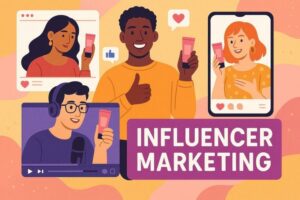 Popular Influencer Marketing Platforms
Different platforms serve different audiences and content formats.
.Instagram – Lifestyle, fashion, beauty, travel, food
.YouTube – Product reviews, tutorials, long-form content
.TikTok – Viral short-form videos
.Facebook – Community engagement and local businesses
.LinkedIn – B2B marketing and professional services
.Pinterest – Home décor, DIY, fashion
- Common Mistakes to Avoid
.Choosing influencers based solely on follower count
.Ignoring audience demographics
.Overly scripted campaigns
.Not setting measurable objectives
.Failing to disclose sponsored content
.Neglecting campaign analytics
.Working with influencers whose values don’t match your brand